Majawa: A Retro Font for Vibrant Design Projects
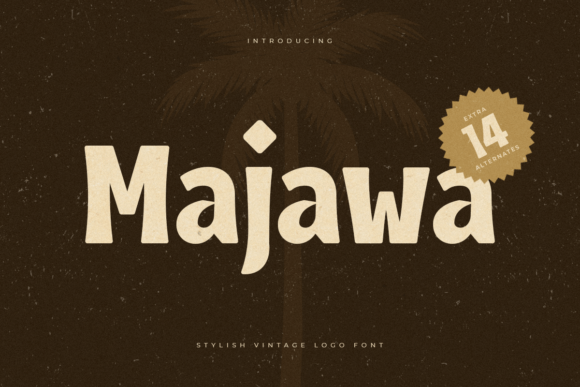
Every designer knows the search for a typeface that doesn't just sit on a page but leaps off it, bringing a wave of energy and personality to the work. Finding that perfect blend of nostalgia and modern appeal can transform a good design into a memorable one. This is where Majawa enters the picture, a fun, retro display font that channels vibrant energy and nostalgic charm into any project. Its bold, playful shapes and vintage-inspired style make it an ideal choice for designs that need to capture attention and evoke joy.
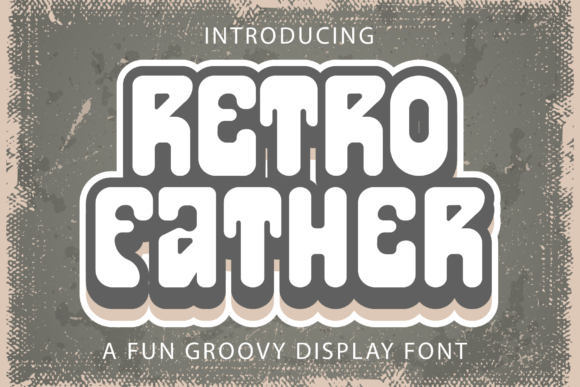
Majawa is a premium display font crafted for impact. It belongs to the creative font category that prioritizes character over subtlety. Think of it as a visual voice that's enthusiastic, friendly, and unmistakably retro. Its design draws inspiration from mid-century typography, featuring rounded edges, balanced weight, and a distinctive flair that feels both familiar and fresh. This isn't a script font for long paragraphs; it's a typeface engineered for headlines, logos, and moments where you want a burst of personality.
Where Does This Typeface Shine?
The true value of a font like Majawa is measured by its versatility in real-world applications. Its cheerful aesthetic makes it a natural fit for projects aiming for a lighthearted, retro, or playful vibe. Consider using it for:
- Logo Design and Brand Identity: Create a brand mark that feels approachable and fun. It's excellent for businesses in food, entertainment, children's products, or any service wanting to project a friendly, memorable image.
- Poster and Packaging Design: Its high-impact lettering is perfect for event posters, movie titles, or product packaging that needs to stand out on a shelf or in a digital feed.
- Social Media Graphics and Web Design: Use it for bold headlines, call-to-action buttons, or promotional banners to stop the scroll and inject personality into your digital presence.
- Invitations and Editorial Layouts: From party invites to magazine features, Majawa adds a touch of joy and vintage flair that enhances the overall design narrative.
Tips for Choosing and Using a Display Font
Integrating a bold typeface like Majawa requires a thoughtful approach to ensure it enhances, rather than overwhelms, your design. Here are a few practical tips for selection and use.
Prioritize Readability in Context: While display fonts are for headlines, always test your chosen text at the intended size. Ensure the specific letters in your word or phrase are clear and legible, especially at smaller scales on mobile screens.
Match the Mood: Align the font's personality with your project's tone. Majawa's retro charm suits celebratory, creative, and casual themes. It might not be the right fit for a formal corporate report, but it could be perfect for a startup's playful brand guidelines.
Master Font Pairing: A strong display font pairs best with a simple, neutral companion. For body text, consider a clean sans serif font or a classic serif font. This contrast creates visual hierarchy and ensures your main message pops while supporting text remains easy to read. Testing combinations is key to finding a balanced layout.
Review the Full Character Set: Before downloading, check the font's complete glyph map. Does it include the punctuation, numerals, and language support you need? A well-designed commercial font often includes stylistic alternates or ligatures that can add extra flair to your work.
Confirm the License: Always verify that the font's license matches your project's scope, whether it's for personal use, a commercial client, or a product for sale. This is a critical step in using design assets professionally and legally.
Elevating Your Design with the Right Typography
Typography is the voice of your design. Choosing a typeface like Majawa is about more than just aesthetics; it's about making a deliberate decision to infuse your work with a specific feeling. The right creative font can strengthen brand recognition, create emotional connections with your audience, and bring a polished, professional cohesion to all your visual materials. It turns ordinary text into a powerful design element. When you select a font that resonates with your project's core message, you're not just decorating—you're communicating more effectively.